 |
| A website supporting my switchingview YouTube Channel |
|
| A website supporting my switchingview YouTube Channel |
As I've been developing my switchingview project, I've realised that the word homosexuality carries different meanings for different people. Sometimes these varied meanings even contradict one another. This can make conversations about same-sex behaviour confusing and, at times, frustrating.
To help create a clearer starting point, I'm putting together a short series of three videos - under the heading Talking About Homosexuality. In them, I'll share how I understand homosexuality, what might cause it, and how it has been described and studied across history.
Here are some of the questions I'll be exploring:
The first two videos will focus on six influential gay writers - exploring how they describe homosexuality, and what their work can teach us about how to analysis the evidence.
The final video will describe what modern science tells us about homosexuality, and how it may have evolved.
|
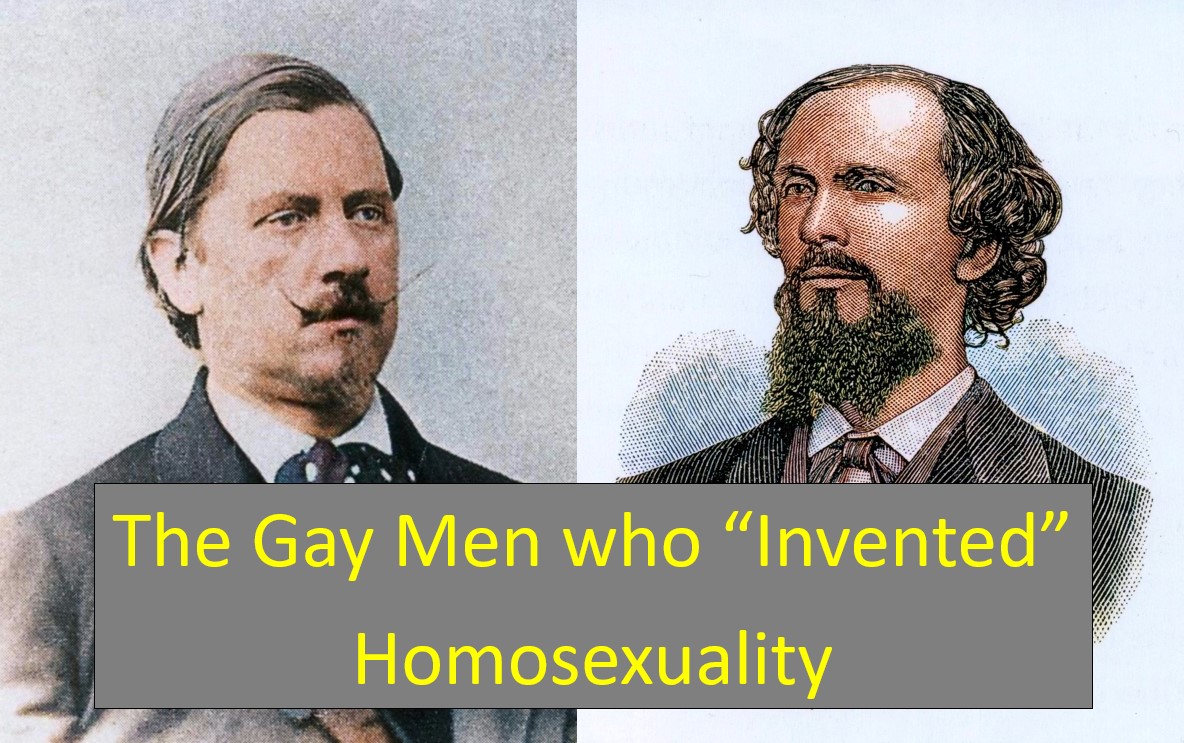
TAH1. The Gay Men who "Invented" Homosexuality
Many gay people feel uneasy about the word homosexual, believing it was created by doctors to label same-sex attraction as abnormal or pathological. That story is widely repeated - but it isn't actually true. Like much of LGBTQ+ history, the real origins of the term have been overshadowed by prejudice and later medical misuse. Where the word homosexual really came from The terms homosexual and heterosexual were first coined in 1868 by Karl Maria Kertbeny, who was writing to fellow activist Karl Heinrich Ulrichs about reforming Prussian laws. These two men were among the earliest advocates for what we would now call LGBTQ+ rights. For them, homosexual described an innate, inborn orientation - not an illness. It was only decades later that medical writers such as Richard Krafft-Ebing adopted the term and reframed homosexuality as pathological, a disorder. That shift in meaning has shaped public understanding ever since. This first video explores that early history and restores credit to those who deserve it. And the video describes how these writers understood their own homosexual nature. Texts and Resources Document - A list of the texts and references used in the video. Discussion Definitions and Laws - Talking About Homosexuality - A webpage explaining the key ideas behind the project in more detail.
|
|
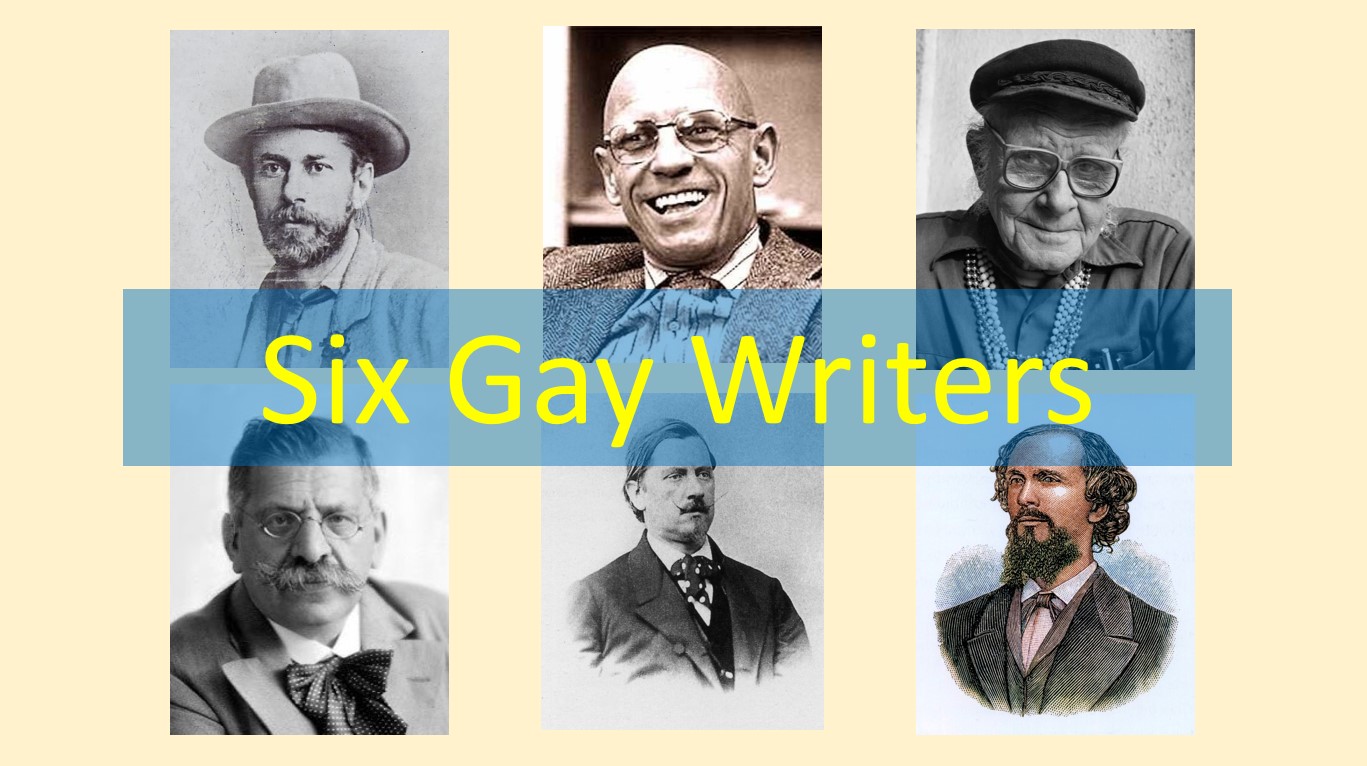
TAH2. Six Gay Writers who defined Homosexuality
This second video continues the story, telling how gay scholars argued that homosexuality was a phenomenon widespread through the human race and enduring in history, and should be seen as an entirely natural, healthy and valuable facet of human life. The doctors had got it wrong. Too often we only study what happened in Europe, and there is a lot to learn by looking abroad, outside Christan anti-gay prejudice. The video describes the work of four key twentieth Century gay scholars and campaigners: Edward Carpenter, Magnus Hershfeld, Harry Hay and Michel Foucault. Texts and Resources Document - A list of the texts and references used in the video. Discussion Definitions and Laws - Talking About Homosexuality - A webpage explaining the key ideas behind the project in more detail.
|
|
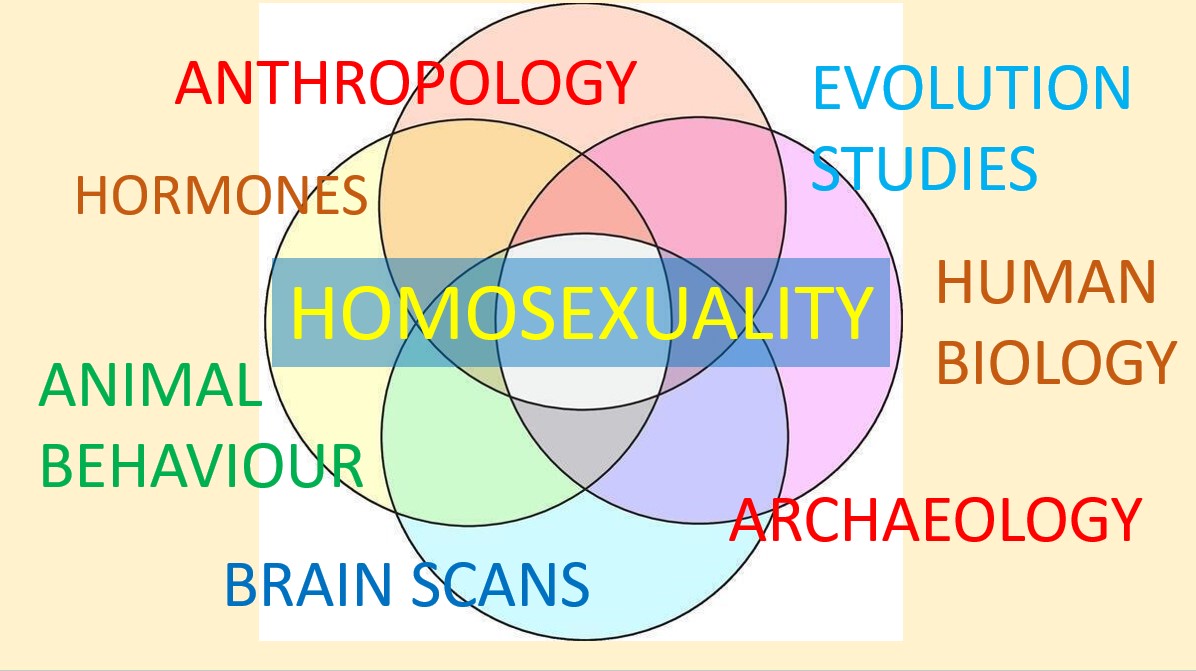
TAH3. Can Modern Science say what Homosexuality is?
(Planned for upload Summer 2026) The third video turns to contemporary science. Recent advances in genetics, neuroscience, animal behaviour and anthropology - combined with more open academic attitudes - have transformed what researchers can say about sexual orientation. I'll share current scientific findings alongside my own theories about how homosexuality evolved, and connect this research with the rich variety of human sexual behaviour documented across different cultures through history. |
Finally, can I ask you a favour. I put a lot of work into these recordings, and it would be good if they can be seen by the largest number of people. If you have a friend or colleague who you think would benefit from knowing about these issues, please do pass it on. TELL A FRIEND! - SPREAD THE WORD!I would welcome comments and suggestions on this work - Contact Me. Thank You |